Call Us for Support
+91 9654860915
Google Reviews
4.8
Call Us for Support
+91 9654860915


Written By: Nitin Goswami, Senior Medical Content Writer | Medically Reviewed By: Shilpi Banerjee, Registered Pharmacist (M.Pharm)
Quick answer: Lumakras (sotorasib) is a once-daily tablet that targets the KRAS G12C mutation. It is approved as a single agent for KRAS G12C-mutated locally advanced or metastatic non-small cell lung cancer after at least one earlier treatment, and together with panitumumab for KRAS G12C-mutated metastatic colorectal cancer after chemotherapy. The approved dose is 960 mg once daily, not 240 mg. Lumakras isn't sold in India yet, but it can be accessed legally through a Named Patient Program with a valid prescription and biomarker confirmation.
Last reviewed: September 24, 2026. Every figure in this guide is sourced in the References section at the end.
Somewhere on your pathology report, one line — "KRAS G12C mutation detected" — has probably changed the entire conversation about your treatment. Unlike a diagnosis of a single disease, this is a genetic fingerprint that shows up in more than one cancer type, and it's specifically what a medicine called Lumakras (sotorasib) was designed to target. Because this mutation, not just the organ it started in, is what determines your treatment options, it's worth understanding on its own terms before getting into the drug itself.
| Brand name | Lumakras |
|---|---|
| Generic name | Sotorasib |
| Drug class | KRAS G12C inhibitor, a targeted therapy |
| Manufacturer | Amgen |
| Form and strengths | Film-coated tablets of 320 mg, 240 mg, and 120 mg |
| U.S. approval | First approved in 2021. The lung cancer use is approved under the FDA's accelerated approval pathway |
| Approved uses | As a single agent for KRAS G12C-mutated locally advanced or metastatic non-small cell lung cancer after at least one earlier systemic treatment. With panitumumab for KRAS G12C-mutated metastatic colorectal cancer after fluoropyrimidine-, oxaliplatin-, and irinotecan-based chemotherapy |
| Required test | KRAS G12C mutation confirmed with an FDA-approved test |
| Dose | 960 mg once daily, with step-down reductions to 720 mg and 480 mg if side effects require |
| Boxed warning | None. Liver function and lung symptoms are monitored during treatment |
| Access in India | Lumakras isn't sold in India yet. It can be accessed through a Named Patient Program with a valid prescription and biomarker confirmation (see the Lumakras product page) |
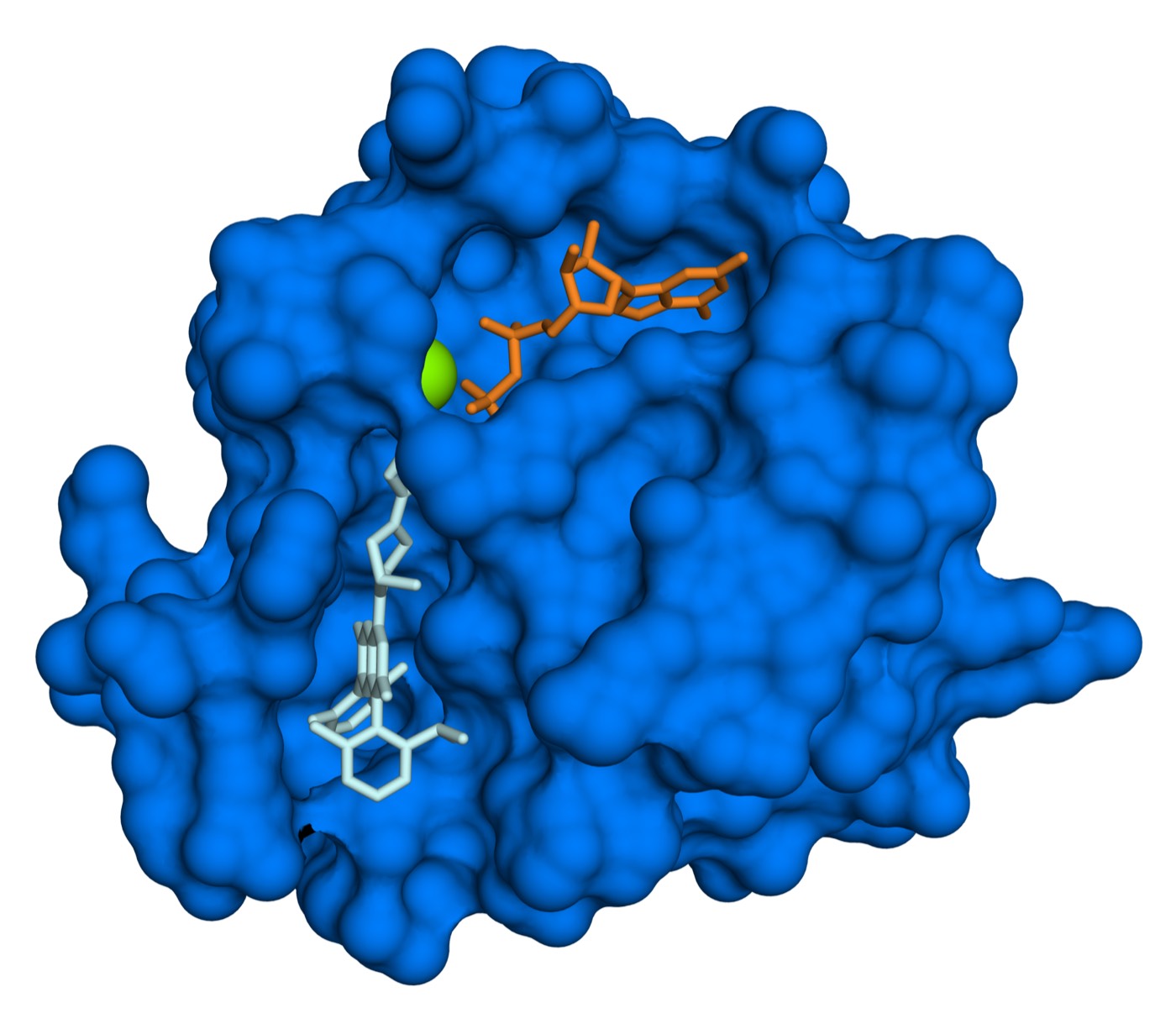
KRAS is a gene that makes a protein acting like a molecular light switch for cell growth — normally flipping between "on" (grow, divide) and "off" (stop) depending on the signals a cell receives. G12C is the name of one specific typo in that gene: at position 12, the building block glycine gets swapped for cysteine. That single swap jams the switch in the "on" position, so the cell keeps getting the message to grow and divide even when it shouldn't.
It helps to know you're far from alone. Below are the latest figures from the major cancer registries, with the source and year named for each — estimates differ between organisations and editions, so each figure sticks to one clearly identified source.
A note on India's numbers: they are modelled estimates built from regional cancer registries, not exact national head-counts. India's own ICMR registry programme estimated about 103,000 lung cancer cases for 2022, so treat these as the right order of magnitude rather than precise totals.
(Five-year relative survival compares people who have the cancer with the general population, so 65% means they are about 65% as likely as everyone else to be alive five years later.) These figures describe large groups of patients diagnosed years ago — they can't predict what will happen to any one person, and newer targeted treatments aren't fully reflected in data that stops at 2021. What they do show is why identifying a specific driver mutation matters: once cancer has spread, options matched to the tumour's own biology are exactly what patients and doctors are looking for.
Because KRAS G12C can drive tumor growth in more than one organ, Lumakras carries two separate, distinct approvals.
NSCLC accounts for roughly 80–85% of all lung cancers (the remainder is mostly small cell lung cancer, a faster-growing type treated very differently). Symptoms worth knowing include:
NSCLC is staged from I to IV based on tumor size, lymph node involvement, and spread — early stages are often treated surgically, while KRAS G12C-targeted therapy like Lumakras becomes relevant once the cancer is locally advanced or has spread (metastatic) and standard treatment has already been tried.
In metastatic colorectal cancer, Lumakras is approved specifically for patients whose cancer:
You can't tell KRAS G12C status from symptoms or scans alone — it requires molecular testing, typically one of the following:
An FDA-approved companion diagnostic test result is required before Lumakras can be prescribed — it's not optional or a "nice to have."
Sotorasib is a small-molecule, first-in-class KRAS G12C inhibitor, taken as a tablet.
Because the G12C mutation creates a cysteine at a specific spot on the KRAS protein that wasn't there before, sotorasib is built to find and permanently attach to exactly that spot — locking the mutated protein in its "off" state so it can no longer send growth signals. Because normal, unmutated KRAS protein doesn't have this particular cysteine, sotorasib is designed to leave healthy cell signaling largely undisturbed.
One important note: the lung cancer indication is currently approved under the FDA's accelerated approval pathway, meaning it was cleared based on early response-rate data while a longer confirmatory trial (due by 2028) continues to verify the clinical benefit — this is a normal, established regulatory route for promising cancer drugs, not a red flag, but worth knowing about.
If you've come across older articles or forum discussions claiming Lumakras's dose was reduced to 240 mg, that information is out of date and shouldn't be acted on. Here's the actual history: after early data suggested a lower 240 mg daily dose might work just as well with fewer side effects, the FDA required Amgen (the manufacturer) to run a formal head-to-head comparison as a post-marketing study. Based on the results of that comparison, the FDA kept the approved dose at 960 mg once daily — it was never officially changed to 240 mg. If your prescription says 960 mg, that reflects the current, correct FDA-approved dose.
Lumakras does not carry a boxed warning, but two specific risks require regular monitoring throughout treatment.
These vary somewhat depending on which indication you're being treated for:
Lumakras is not yet commercially available in India. If your KRAS G12C test comes back positive and your oncologist recommends it, it can still be legally imported for your personal treatment through a Named Patient Program — a regulated pathway for bringing in a doctor-prescribed medicine not yet sold locally. What's typically needed:
The Lumakras product page covers the process in more detail, and our oncology access program supports the same import pathway for other targeted cancer therapies on our site.
KRAS G12C testing and treatment eligibility can get technical fast, and your specific report matters more than general information. Send our team your biomarker results and treatment history, and we'll explain exactly what your options look like for accessing Lumakras — no cost, no obligation. Start the conversation here.
Not directly. KRAS G12C is a specific genetic change within the tumor's DNA. It's more frequently seen in patients with a smoking history for lung cancer, but it isn't caused by diet, and it can occur in people with no such history at all.
Often, yes. Blood-based liquid biopsy testing can detect KRAS G12C mutations from a blood draw in many cases, which can be a useful option if a tissue sample isn't readily available.
Clinical trials for each cancer type tested different treatment combinations, and the approved use reflects what was actually studied and shown to work in each setting — colorectal tumors have shown better responses when sotorasib is paired with panitumumab, while lung cancer trials supported it as a single agent.
Don't change your dose based on that information. The FDA reviewed a lower dose option and ultimately kept 960 mg once daily as the approved dose — always confirm your actual prescribed dose with your own oncologist rather than an online source.
Sotorasib was the first approved KRAS G12C inhibitor, opening up a category of medicine that didn't exist before 2021. Other KRAS G12C-targeted drugs have since been developed as well, so it's worth discussing all current options with your oncologist.
Through a regulated Named Patient Program, which allows a specific, named patient to import the medicine with a valid prescription, biomarker test results, and required documentation — a legal pathway used worldwide for medicines not yet locally marketed.
Because for a medicine this expensive and this critical, where it comes from matters as much as what it is. Unregulated sellers and unverified online pharmacies have been known to supply counterfeit, expired, or improperly stored cancer medicines that can look identical to the real product on the outside — a risk no patient should have to take on trust alone.
Named Patient Program sources every medicine directly from the manufacturer or their authorized distributors, with full documentation, batch traceability, and compliance with import regulations at every step, so what reaches you is guaranteed genuine. When treatment outcomes are already uncertain, the authenticity of the medicine itself shouldn't be one more thing to worry about.
Our specialists are here to guide you through every step of the medicine access process.
Mail Us At:
info@namedpatientprogram.com
Contact Us:
+91 9810469557
We get back to you shortly during our working hours.